

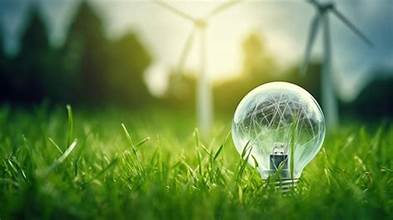
Energy, in its many forms, is the fundamental force that powers the universe, life, and human existence. It operates on multiple levels—physical, emotional, and spiritual—and plays a critical role in how we interact with ourselves, others, and the world. Here’s a breakdown of how energy works and its importance to humankind:
How Energy Works
1.Physical Energy
•Definition: Physical energy comes from the laws of thermodynamics and biology, where energy is neither created nor destroyed but transformed. Humans derive physical energy from food, water, oxygen, and rest, converting these into the fuel needed for survival and activity.
•Flow: Energy flows in systems, whether in ecosystems, human bodies, or machines. For example, in humans, energy flows from calories consumed into movement, thought, and cellular repair.
•Balance: Efficient energy use in the body depends on maintaining balance—through diet, exercise, sleep, and recovery.
2.Emotional Energy
•Definition: Emotional energy relates to how we feel and how these feelings influence our actions. Positive emotions like joy and love generate expansive, uplifting energy, while negative emotions like fear or anger can deplete or constrict energy.
•Flow: Emotional energy is contagious; the moods and attitudes we project can affect others, creating positive or negative feedback loops in relationships and communities.
3.Spiritual or Universal Energy
•Definition: Many cultures and belief systems recognize a universal life force, sometimes referred to as prana, chi, or qi, which flows through and connects all living beings. This energy governs the spiritual and unseen aspects of existence.
•Flow: Practices like meditation, prayer, yoga, and breathwork are believed to harmonize spiritual energy, creating a sense of alignment, peace, and connection to a greater whole.
Importance of Energy to Humankind
1.Vitality and Well-Being
•Our energy levels directly impact our physical health, mental clarity, emotional stability, and overall sense of vitality. When energy is optimized, we feel strong, capable, and focused. When depleted, we become vulnerable to illness, fatigue, and burnout.
2.Interconnectedness
•Energy demonstrates the interconnectedness of all life. Human energy doesn’t exist in isolation; we exchange energy with others and the environment constantly. For example, human actions can influence the environment’s energy, while nature replenishes our energy through sunlight, fresh air, and grounding.
3.Human Potential
•Energy is the driving force behind human creativity, productivity, and growth. Harnessing our energy efficiently allows us to innovate, solve problems, and achieve personal and collective goals.
4.Emotional and Relational Impact
•The energy we bring to our interactions affects our relationships. High, positive energy fosters connection, trust, and collaboration, while low, negative energy can create tension and conflict.
5.Spiritual Connection
•Energy is at the heart of many spiritual traditions, symbolizing the link between humanity and the greater universe. Cultivating and harmonizing spiritual energy helps individuals feel grounded, purposeful, and at peace.
6.Global and Collective Energy
•On a larger scale, human energy contributes to the collective energy of societies and the planet. Positive energy fosters cooperation, progress, and sustainability, while negative energy can lead to division, conflict, and exploitation of resources.
How to Optimize and Align Energy
1.Physical Energy
•Prioritize sleep, nutrition, and exercise.
•Avoid overexertion and take time for recovery.
•Practice mindfulness to tune into your body’s energy levels.
2.Emotional Energy
•Engage in practices that foster positive emotions, like gratitude, compassion, and forgiveness.
•Release emotional blockages through journaling, therapy, or open communication.
3.Spiritual Energy
•Connect with nature or practice meditation, yoga, or prayer to align with universal energy.
•Focus on your purpose and engage in activities that feel meaningful.
4.Interpersonal Energy
•Surround yourself with supportive, positive people who uplift your energy.
•Be mindful of the energy you contribute to relationships and spaces.
5.Planetary Energy
•Adopt sustainable habits that respect the planet’s energy balance, like conserving resources and minimizing waste.
By understanding how energy works and respecting its flow, humans can enhance their well-being, strengthen connections, and contribute to a more harmonious world. Energy is not just a force—it’s a gift, and how we manage it defines the quality of our lives and the legacy we leave for future generations.
Start here and schedule an initial discussion with Compass Anchor Coaching
This blog utilizes ChatGPT, an AI language model created by OpenAI, to assist in generating and refining content. While the AI helps with drafting and ideas, all content is carefully reviewed, edited, and finalized by Compass Anchor Coaching to ensure accuracy, clarity, and alignment with our voice and values. We believe in transparency and are committed to delivering high-quality, thoughtful content.