

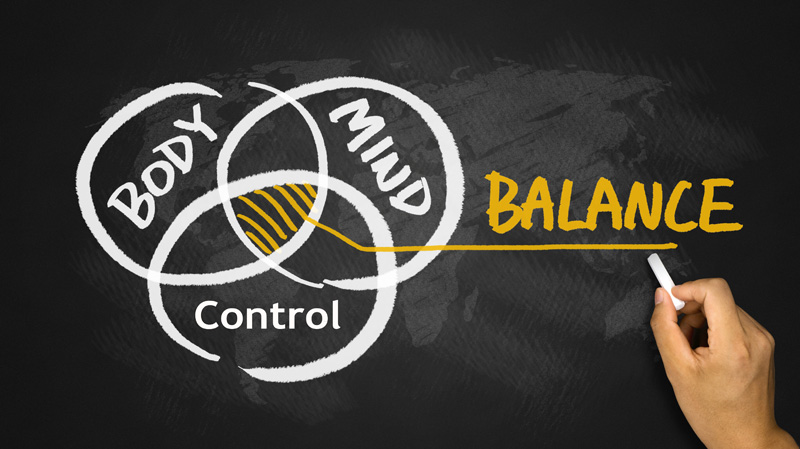
The intricate relationship between the mind and body has fascinated scholars, scientists, and philosophers for centuries. Modern science increasingly supports the idea that the mind and body are deeply interconnected, influencing each other in complex and profound ways. Understanding this connection opens up new avenues for improving both mental and physical health. By taking care of our bodies, we can positively impact our minds, leading to a more balanced and fulfilling life.
The Science of the Mind-Body Connection
The mind-body connection refers to the dynamic interplay between our mental and physical states. This connection is mediated by a complex network of biochemical and physiological processes that involve the brain, nervous system, endocrine system, and immune system.
The Role of Neurotransmitters and Hormones
Neurotransmitters and hormones play a critical role in the mind-body connection. For example, stress triggers the release of cortisol, a hormone that prepares the body for a “fight or flight” response. Chronic stress can lead to elevated cortisol levels, which can negatively impact the immune system, increase inflammation, and contribute to various health problems such as cardiovascular disease and depression.
On the other hand, engaging in activities that promote relaxation and well-being, such as exercise or meditation, can increase the production of endorphins and other “feel-good” neurotransmitters like serotonin and dopamine. These chemicals enhance mood, reduce stress, and promote overall mental and physical health.
The Gut-Brain Axis
The gut-brain axis is another key aspect of the mind-body connection. This bidirectional communication system between the gastrointestinal tract and the central nervous system is facilitated by the vagus nerve and involves a complex interplay of neural, hormonal, and immune signals. Research has shown that the gut microbiome—the diverse community of microorganisms living in our intestines—can influence brain function and behavior. Imbalances in the gut microbiome have been linked to mental health conditions such as anxiety, depression, and even neurodegenerative diseases.
How the Mind Impacts the Body
Understanding how the mind influences the body can help us appreciate the importance of mental health in maintaining overall well-being.
Stress and Physical Health
Chronic stress is one of the most significant ways the mind can negatively impact the body. Prolonged stress can lead to a range of physical health issues, including:
– Cardiovascular Problems: Chronic stress increases the risk of hypertension, heart attacks, and strokes.
– Immune System Suppression: High stress levels can weaken the immune system, making the body more susceptible to infections and illnesses.
– Digestive Issues: Stress can disrupt normal digestive function, leading to conditions such as irritable bowel syndrome (IBS) and ulcers.
– Musculoskeletal Problems: Stress can cause muscle tension and pain, particularly in the neck, shoulders, and back.
Mental Health and Lifestyle Choices
Mental health also significantly influences lifestyle choices, which in turn affect physical health. For example, individuals with depression or anxiety may be more likely to engage in unhealthy behaviors such as poor diet, lack of exercise, smoking, or excessive alcohol consumption. These behaviors can exacerbate physical health problems, creating a vicious cycle of declining mental and physical health.
How Taking Care of the Body Can Impact the Mind
Just as the mind influences the body, taking care of the body can have profound effects on mental health. By adopting healthy lifestyle habits, we can create a positive feedback loop that enhances both physical and mental well-being.
Exercise and Mental Health
Regular physical activity is one of the most effective ways to improve mental health. Exercise has been shown to:
– Reduce Symptoms of Depression and Anxiety: Exercise stimulates the release of endorphins, serotonin, and other neurotransmitters that enhance mood and reduce anxiety. It also promotes neurogenesis, the formation of new neurons, particularly in the hippocampus, a brain region associated with mood regulation.
– Improve Cognitive Function: Exercise increases blood flow to the brain, improving cognitive function, memory, and concentration. It also helps protect against age-related cognitive decline and neurodegenerative diseases.
– Enhance Sleep Quality: Regular physical activity can improve sleep quality, which is essential for mental health. Better sleep leads to improved mood, concentration, and overall well-being.
Nutrition and Mental Health
A balanced diet rich in nutrients can significantly impact mental health. Key dietary components that support mental well-being include:
– Omega-3 Fatty Acids: Found in fatty fish, flaxseeds, and walnuts, omega-3 fatty acids are essential for brain health. They have been shown to reduce symptoms of depression and anxiety and support cognitive function.
– Antioxidants: Foods rich in antioxidants, such as fruits and vegetables, help protect the brain from oxidative stress and inflammation, which can contribute to mental health disorders.
– Probiotics: Probiotic-rich foods, such as yogurt, kefir, and fermented vegetables, support a healthy gut microbiome. A balanced gut microbiome positively influences the gut-brain axis and can improve mood and cognitive function.
– B Vitamins: B vitamins, particularly B6, B9 (folate), and B12, play a crucial role in brain function and the production of neurotransmitters. A deficiency in these vitamins can lead to symptoms of depression and cognitive decline.
Sleep and Mental Health
Quality sleep is essential for maintaining mental health. Chronic sleep deprivation can lead to mood disorders, cognitive impairment, and increased stress levels. To improve sleep quality:
– Establish a Regular Sleep Routine: Go to bed and wake up at the same time every day, even on weekends.
– Create a Sleep-Friendly Environment: Keep your bedroom dark, quiet, and cool. Invest in a comfortable mattress and pillows.
– Limit Screen Time Before Bed: The blue light emitted by screens can interfere with the production of melatonin, a hormone that regulates sleep. Try to avoid screens at least an hour before bedtime.
– Practice Relaxation Techniques: Engage in calming activities before bed, such as reading, listening to soothing music, or practicing mindfulness meditation.
Mind-Body Practices
Mind-body practices such as yoga, tai chi, and mindfulness meditation can have profound effects on both physical and mental health. These practices promote relaxation, reduce stress, and enhance overall well-being by:
– Regulating the Stress Response: Mind-body practices activate the parasympathetic nervous system, which counteracts the stress response and promotes relaxation.
– Improving Emotional Regulation: These practices help individuals develop greater awareness and control over their emotions, reducing symptoms of anxiety and depression.
– Enhancing Body Awareness: Mind-body practices encourage a deeper connection with the body, fostering a sense of balance and harmony between the mind and body.
Practical Steps to Enhance the Mind-Body Connection
To harness the benefits of the mind-body connection, consider incorporating the following practices into your daily routine:
1. Exercise Regularly: Aim for at least 150 minutes of moderate-intensity aerobic activity or 75 minutes of vigorous-intensity activity each week, along with muscle-strengthening exercises on two or more days a week.
2. Eat a Balanced Diet: Focus on a diet rich in fruits, vegetables, whole grains, lean proteins, and healthy fats. Consider incorporating foods that support brain health, such as fatty fish, nuts, seeds, and fermented foods.
3. Prioritize Sleep: Aim for 7-9 hours of quality sleep each night. Establish a regular sleep routine and create a sleep-friendly environment.
4. Practice Mind-Body Techniques: Incorporate practices such as yoga, tai chi, or mindfulness meditation into your daily routine to promote relaxation and enhance overall well-being.
5. Stay Hydrated: Proper hydration is essential for both physical and mental health. Aim to drink at least eight 8-ounce glasses of water each day.
6. Manage Stress: Develop healthy coping strategies for managing stress, such as deep breathing exercises, journaling, or spending time in nature.
The mind-body connection highlights the profound ways in which our mental and physical health are intertwined. By understanding and nurturing this connection, we can take proactive steps to enhance our overall well-being. Taking care of the body through regular exercise, a balanced diet, quality sleep, and mind-body practices not only improves physical health but also has far-reaching benefits for mental health. Embracing these practices can lead to a more balanced, fulfilling, and resilient life, where both the mind and body thrive in harmony.
To work on your mind-body connection, contact Compass Anchor Coaching for a free initial consultation.
This blog utilizes ChatGPT, an AI language model created by OpenAI, to assist in generating and refining content. While the AI helps with drafting ideas, all content is carefully reviewed, edited, and finalized by Compass Anchor Coaching to ensure accuracy, clarity, and alignment with our voice and values. We believe in transparency and are committed to delivering high-quality, thoughtful content.